Liposuction vs. Ozempic: Which Is Right for You?
Choosing between liposuction and Ozempic for body contouring and weight management is a common question today. Board-certified plastic surgeon Dr. David Rapaport breaks down these options clearly, focusing on your goals, body condition, and timing to help you make an informed choice.
What Are Liposuction and Ozempic?
- Liposuction is a surgical procedure designed primarily to address fatty disproportions. It’s not a weight loss tool but a method to sculpt specific areas where fat tends to unevenly accumulate.
- Ozempic (and similar medications like Wegovy, Monaro, Zepbound) are prescription drugs that aid weight loss by regulating insulin and appetite, best suited for individuals with a high Body Mass Index (BMI).
If your BMI is over 30 — defined as obese — your health priority should be weight loss via methods like Ozempic. Liposuction is not meant for general obesity treatment.
What Are Fatty Disproportions and Why Liposuction Works
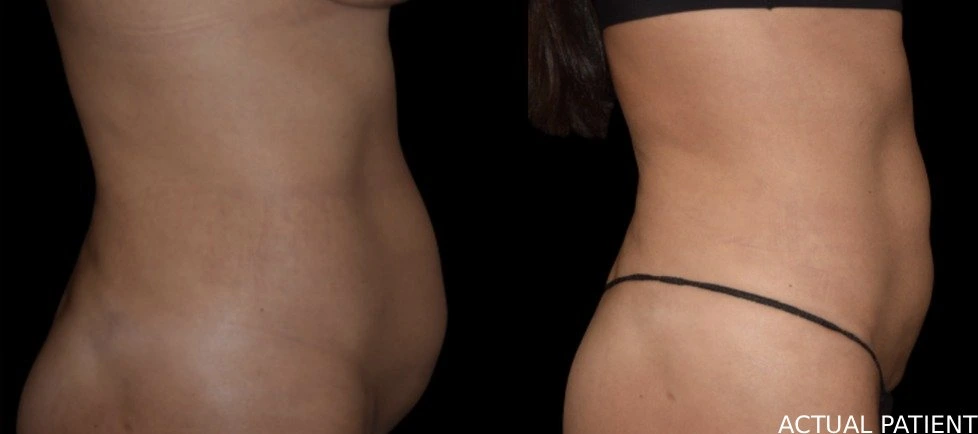
Fatty disproportions occur when fat distribution is uneven across your body. For example, a person may have:
- Slim arms and torso but excess fat on the outer or inner thighs
- A fit upper body but noticeable love handles
These disproportions persist regardless of overall weight because fat cells don’t migrate or vanish — they only shrink or expand. Liposuction targets these problematic pockets to create a balanced, proportionate look.
Key Insight: Liposuction is for reshaping specific areas where fat is disproportionate, not for general weight loss.
Ozempic and Weight Loss: When to Choose Medication
If you are significantly overweight, losing weight improves wellness, longevity, and quality of life. Weight loss medications like Ozempic can help you:
- Reduce overall body fat
- Lower health risks tied to obesity
However, if you simply want to improve a specific area (say, the jawline or neck) that draws attention, liposuction might be the better choice to “fine-tune” your appearance.
Combining Liposuction and Ozempic: Timing Is Key
Many patients ask about doing both — losing weight with Ozempic while improving fatty disproportions with liposuction. Here’s the expert advice:
- Lose the weight first if you are significantly overweight (e.g., 50 pounds or more above your ideal weight).
- If you are only moderately overweight (around 10-15 pounds), you can do liposuction before or during your weight loss journey.
Why?
- Performing liposuction on relatively full fat areas is easier, safer, and more effective because there is adequate space between the skin and muscle.
- Liposuction done on a body that has already shrunk too much may leave visible imperfections once you gain or settle into your normal weight.
If you are 140 pounds aiming for 120, consider that 120 may be unrealistically low for you long-term. Contouring at 140 or around 130 leads to better and more natural-looking results.
Practical Tips Before You Decide
- Measure your BMI honestly. This is the first step to determine which path suits your health.
- If obese (BMI > 30), prioritize weight loss medication and healthy lifestyle changes.
- If you have fatty disproportions and are close to your ideal weight, liposuction can perfect your shape.
- Discuss your goals with a trusted professional to create a tailored plan.
- Be mindful that liposuction is a sculpting tool, not a treatment for obesity.
Remember, the ultimate goal is to feel better and healthier in your body — whether through weight loss, body contouring, or a combination.
Summary Table: Liposuction vs. Ozempic
| Aspect | Liposuction | Ozempic (Weight Loss Drug) |
|---|---|---|
| Primary Purpose | Treat fatty disproportions | Reduce overall body weight |
| Best For | Near-ideal weight with problem areas | Obese or overweight individuals |
| Effect | Local fat removal and contouring | Systemic fat reduction |
| Timing | Best done when moderately full | Should precede or accompany weight loss |
| Limitations | Not for general obesity | Not for targeted body sculpting |
Final Thought: Whether you choose liposuction, Ozempic, or a combination, starting with your health goals and current body composition ensures a smarter, safer, and more satisfying transformation journey.