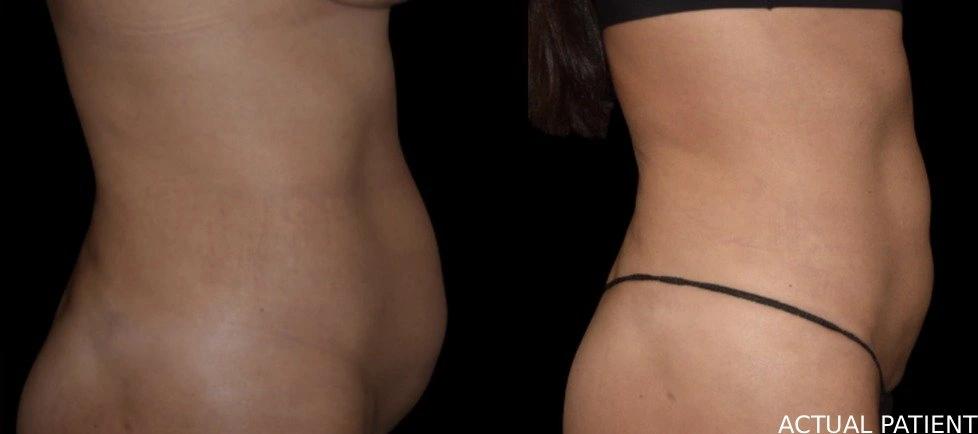
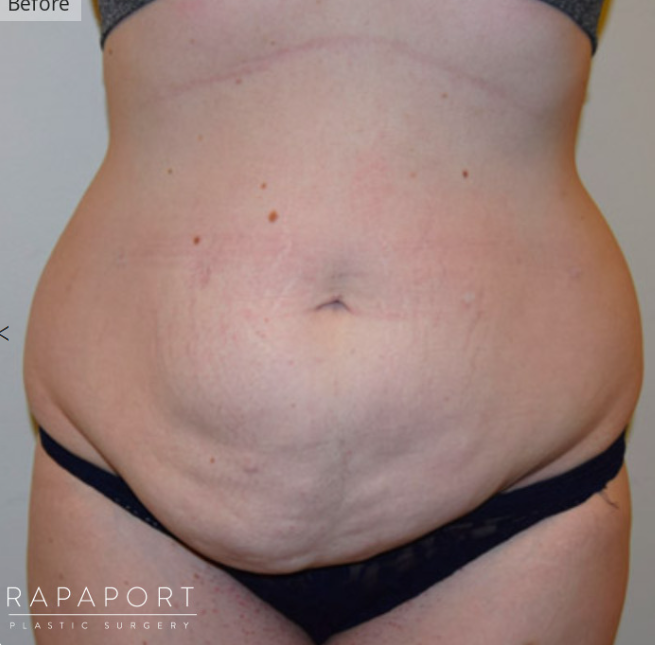
Fibrosis After Liposuction: What You Need to Know
Liposuction remains one of the most popular cosmetic procedures worldwide, known for its ability to sculpt the body by removing excess fat deposits. However, as interest in this procedure grows, so does misinformation, especially about post-operative effects like fibrosis. Board-certified plastic surgeon, Dr. David Rapaport, dives deep into the concept of fibrosis after liposuction, clarifies common misconceptions, and explains what patients can realistically expect during the recovery process.
What Is Fibrosis?
Definition and Role of Fibrosis
Fibrosis is the formation of excess fibrous connective tissue, commonly known as scar tissue, involving the generation of collagen beyond normal levels. Collagen is a vital structural protein found throughout our bodies that maintains tissue integrity and supports organs.
When fibrosis occurs, it typically indicates an abnormal healing response where the tissue replaces normal structures with dense, collagen-rich scar tissue. This process is a natural part of healing, but may lead to complications when it happens excessively.
Fibrosis in the Body: Examples
Fibrosis can affect various organs and tissues, often with serious consequences:
- Pulmonary fibrosis: Scar tissue forms in the lungs, interfering with breathing and possibly leading to respiratory failure or the need for lung transplants.
- Liver fibrosis: Often linked to chronic damage like alcoholism, causing cirrhosis and impairing liver function.
- Abdominal fibrosis: In the peritoneal cavity, fibrosis manifests as adhesions, potentially causing bowel obstructions and severe abdominal pain.
In these scenarios, fibrosis represents pathological scar tissue formation that disrupts normal organ function.
Fibrosis vs. Inflammation in Liposuction
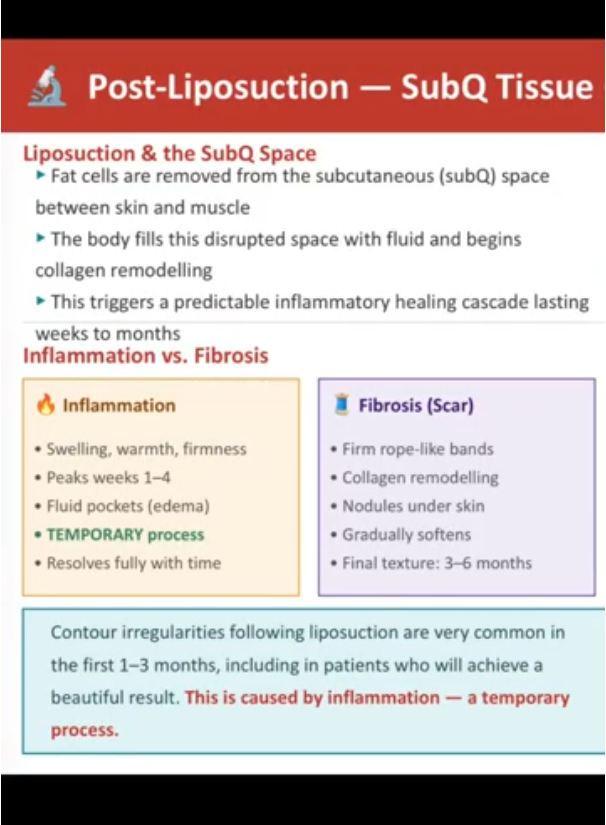
Understanding Post-Liposuction Tissue Responses
One common misconception is confusing fibrosis with inflammation after liposuction. Inflammation is an acute physiological response to injury, crucial for healing. After liposuction, the body invariably initiates inflammation as immune cells increase blood flow and clear cellular debris, such as dead fat cells and blood remnants.
This inflammatory phase is temporary and necessary. It involves:
- Recruitment of immune cells to the site of fat removal.
- Breakdown and removal of damaged cells and extracellular material.
- Preparation of the tissue for regeneration and remodeling.
When Does Fibrosis Occur After Liposuction?
Following the initial inflammation, a minor increase in collagen deposition happens during healing, but this is not the same as pathological fibrosis seen in organs. The collagen laid down in the subcutaneous tissues under the skin after liposuction is generally benign.
In fact, fibrosis in this layer rarely causes any functional issues. Surgeons performing abdominal surgeries can typically dissect through this tissue without difficulty. Although some scar tissue formation does occur, it is usually minimal and part of normal healing rather than a complication.
Cosmetic Effects of Fibrosis After Liposuction
Aesthetic Concerns From Scar Tissue
While fibrosis is mostly harmless functionally, it can have aesthetic implications in certain cases:
- Fibrous tissue formation might pull the skin inward, creating indentations or dimples.
- This is somewhat analogous to a quilt pattern where scars create small puckers on the surface.
- These changes might become noticeable as uneven contours or irregularities in the treated area.
However, it is important to understand that true fibrosis causing these aesthetic issues is quite rare.
More Likely Causes of Post-Liposuction Irregularities
The main reason for dips or irregularities after liposuction tends to be overcorrection rather than fibrosis. Overcorrection occurs when excessive fat is removed from an area, leaving insufficient volume and resulting in visible depressions or asymmetries.
Fibrosis-related adhesions or scar tethering causing skin retractions are more probable if there was a post-operative infection, a complication that skilled and experienced surgeons work hard to avoid. Infection rates in modern liposuction are very low, reducing the risk of severe fibrosis formation.
Differentiating Fibrosis From Other Post-Operative Issues
Common Post-Liposuction Concerns
After liposuction, patients may worry about lumps, bumps, and skin irregularities. These concerns are usually due to:
- Residual swelling and fluid accumulation.
- Uneven fat removal distribution.
- Temporary tissue edema.
- Mild bruising or skin sensitivity.
None of these complications are the same as fibrosis, though they can contribute to the overall appearance during healing.
When Should Fibrosis Be a Concern?
You should consider fibrosis a serious concern only if:
- There is persistent, palpable hardening under the skin that does not improve over time.
- There is pain, restricted mobility, or significant skin tethering.
- There was a confirmed postoperative infection creating dense scar tissue.
- Your surgeon suspects true adhesions from an unusual healing response.
Otherwise, the typical collagen remodeling in the fat removal layer is expected.
How Fibrosis Is Managed or Prevented
Surgical Best Practices
The risk of problematic fibrosis substantially decreases when liposuction is performed by experienced hands. Key preventions include:
- Maintaining sterile techniques to prevent infection.
- Avoiding over-aggressive fat removal to preserve natural tissue contours.
- Applying gentle tissue handling to minimize unnecessary trauma.
Post-Operative Care
Healing support helps reduce inflammation and excessive scar tissue development:
- Use of compression garments to control swelling and promote even skin retraction.
- Lymphatic drainage massage to aid in fluid removal.
- Following surgeon-recommended recovery protocols attentively.
If any unusual symptoms such as severe skin changes or pain arise, patients should contact their surgeon promptly.
Conclusion: Understanding Fibrosis in the Context of Liposuction
Fibrosis is a term referring to excess scar tissue formation, often associated with pathological processes in organs like the lungs or liver. When it comes to liposuction, fibrosis is commonly misunderstood and is often used incorrectly to describe normal tissue responses such as inflammation or cosmetic issues caused by fat removal volumes rather than true scar tissue formation.
Most cases of fibrosis in the subcutaneous layer after liposuction are mild, benign, and do not cause functional complications. Cosmetic irregularities attributed to fibrosis are usually the result of overcorrection or rare infections, not the fibrosis itself.
Patients should focus on choosing qualified surgeons and following optimal post-operative care to minimize risks. Understanding the difference between fibrosis and normal healing inflammation helps in having realistic expectations and avoiding unnecessary worry.
Frequently Asked Questions (FAQ)
What exactly is fibrosis after liposuction?
Fibrosis is the formation of scar tissue due to collagen production. After liposuction, a slight collagen increase is normal, but true fibrosis causing problems is rare.
Can fibrosis affect my recovery or results?
Typically not. Fibrosis in the fat layer rarely causes functional problems and only occasionally leads to minor aesthetic changes.
How can fibrosis be prevented after liposuction?
Prevention includes proper surgical technique, avoiding infection, using compression garments, and careful aftercare.
Is inflammation the same as fibrosis?
No. Inflammation is a normal, temporary response to injury, whereas fibrosis is excess scar tissue formation.
Should I worry if my skin looks uneven after liposuction?
Unevenness is more often due to fat removal technique or swelling. True fibrosis causing skin dimpling is uncommon, especially after uncomplicated procedures.