Postpartum Body Recovery: Skin, Fat, and Abdominal Wall Insights
Pregnancy brings profound changes to a woman’s body, driven by hormones, weight gain, and physical stretching. Understanding these changes and the effective treatments available can empower new mothers to regain confidence and function after childbirth. In this detailed guide, New York-based, board-certified plastic surgeon Dr. David Rapaport explains the physiological transformations during and after pregnancy, and outlines practical and medical approaches to postpartum body recovery.
Understanding Pregnancy’s Impact on the Body
The Role of Hormones in Pregnancy
During pregnancy, the body experiences a surge of hormones, particularly estrogens, which play a crucial role in preparing the body for childbirth. These hormones cause the loosening of ligaments and joints, including the pubic symphysis—the joint connecting the pelvic bones. This loosening allows the pelvis to expand and accommodate the growing baby.
Tissue Changes and Weight Gain
As the baby grows, the abdominal tissues must stretch significantly. This includes not only the skin but also the deeper fascia and muscles that form the abdominal wall. The typical weight gain during pregnancy varies but contributes to further stretching of these tissues. This combination of hormonal influences and physical expansion leads to considerable changes in the body’s structure.
Postpartum Body Changes and Challenges
The Abdominal Wall After Pregnancy
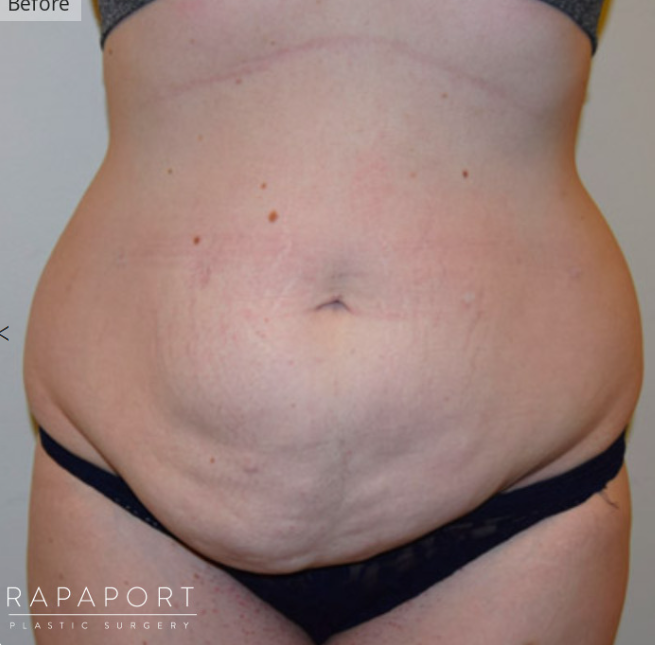
After childbirth, the abdominal wall—the muscles, fascia, and skin—is left stretched and often lax. This laxity can vary depending on factors such as the amount of weight gained, the size of the baby, and whether the delivery involved a C-section. The abdominal muscles, including the rectus abdominis (the “six-pack” muscles), can become separated, a condition medically known as diastasis recti.
Weight Loss and Tissue Laxity
Following pregnancy, weight typically decreases, but the stretched abdominal wall may not fully return to its pre-pregnancy state. This results in loose skin and weakened musculature, which can affect both appearance and function. Addressing these changes requires a strategic approach targeting skin, fat, and muscle.
Skin Recovery and Treatment Options
Non-Invasive Skin Tightening with Sofwave
One innovative treatment for postpartum skin laxity is Sofwave, a non-invasive ultrasound therapy. Sofwave delivers ultrasonic energy approximately 1.5mm deep into the skin, stimulating collagen production without needles or pain. Typically, two treatment sessions spaced one month apart are recommended, with visible improvement in skin tightness developing over 3 to 6 months.
This therapy is particularly beneficial for mild skin laxity and can be used on areas such as the abdomen, face, and neck. It’s well tolerated with minimal discomfort when combined with topical numbing agents.
Stretch Marks: Causes and Treatments
Stretch marks, or striae, are common during and after pregnancy due to rapid skin stretching. They initially appear pink or red, reflecting vascular changes, and over time, fade to white, atrophic lines where the skin seems thinned or scarred.
Treatments for stretch marks include :
- Laser therapies
- Microneedling
- Topical agents that stimulate collagen remodeling
Combining these treatments with skin tightening procedures like Sofwave can enhance overall skin texture and appearance.
Managing Fat Redistribution Post-Pregnancy
Understanding Fatty Disproportions
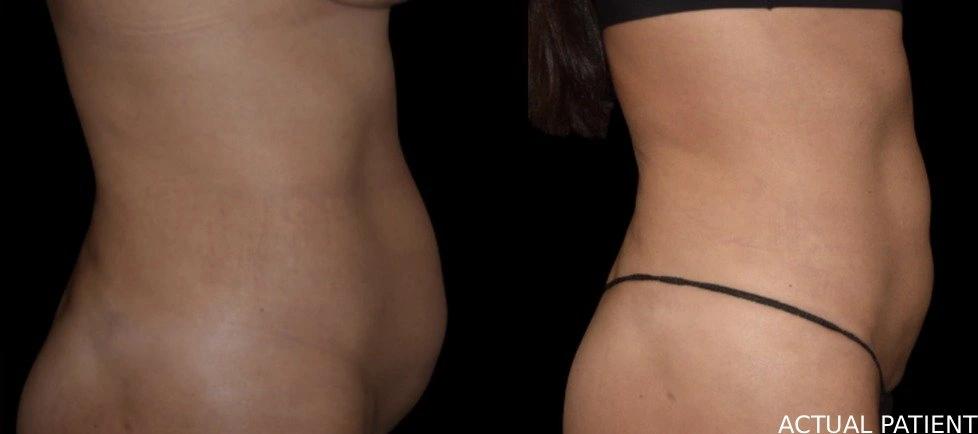
Pregnancy can alter fat distribution, leading to areas of stubborn fat that may not respond to diet and exercise. Common areas include the arms, waist, outer and inner thighs, and lower abdomen. These “fatty disproportions” can cause dissatisfaction even if the overall body weight is acceptable.
Fat Reduction Technologies
Non-surgical options like CoolSculpting use cryolipolysis to freeze and reduce fat cells, offering a gradual slimming effect with minimal downtime. For more immediate and targeted results, liposuction remains the gold-standard surgical procedure for removing localized fat deposits.
Both options should be considered after pregnancy once the weight has stabilized and the patient has fully recovered from childbirth.
The Abdominal Wall: Core Strength and Repair
The Abdominal Wall Structure
The abdominal wall consists of multiple layers: skin, fat, fascia, and muscle. The rectus abdominis muscles run vertically along the front of the abdomen, separated by the linea alba, a fibrous structure that can stretch and widen during pregnancy.
Diastasis Recti and Its Implications
During pregnancy, the linea alba can stretch beyond its normal width, sometimes reaching 2inches or more. This separation reduces core strength and stability, impacting posture, back health, and overall function.
Early Intervention with Muscle Stimulation
Early postpartum exercise focusing on rotational and core-strengthening exercises can help narrow the gap and restore muscle tone. Additionally, external electrical stimulation devices, such as Pure Impact, can enhance muscle activation and recovery.
Strengthening the abdominal wall early reduces the likelihood of needing surgical intervention and improves daily function, especially important for new mothers managing childcare demands.
Surgical Options: Tummy Tuck
For severe skin laxity or abdominal wall defects, a tummy tuck (abdominoplasty) may be necessary. This surgical procedure removes excess skin and tightens the abdominal muscles and fascia. While effective, it involves higher costs, risks, and recovery time compared to non-invasive methods.
It is preferable to attempt non-surgical treatments first and consider surgery only if these are insufficient or if the abdominal wall separation is severe.
Practical Advice for New Mothers
Timing of Treatments
Postpartum body recovery is a gradual process. Immediate postpartum care focuses on healing and gentle muscle activation. Skin tightening treatments like Sofwave can be started once the body has sufficiently recovered, typically several months after delivery.
Fat reduction procedures should be delayed until weight stabilizes, often 6 to 12 months postpartum. Surgical options, such as tummy tucks, are best planned once family planning is complete to maximize results and prevent recurrence.
Prioritizing Function Over Aesthetics
While aesthetic improvements are important, new mothers should prioritize restoring core strength and overall physical function. A strong core supports back health, improves posture, and facilitates the physical demands of motherhood.
Consulting Qualified Experts
Due to the complexity of postpartum body changes, consulting board-certified plastic surgeons or specialized practitioners ensures personalized recommendations and safe, effective treatment plans.
Conclusion
Pregnancy and childbirth undeniably transform the female body, affecting skin, fat distribution, and the abdominal wall’s integrity. Understanding these changes and available treatments—from non-invasive skin tightening to surgical repair—empowers new mothers to make informed decisions about their postpartum recovery.
By combining early muscle rehabilitation, targeted fat reduction, and skin treatments like Sofwave, many women can restore confidence and functionality. When necessary, surgical options such as tummy tucks offer dramatic improvements, though with greater risks and recovery time.
Ultimately, postpartum body recovery is a journey that balances aesthetics with health and function, providing new mothers with the foundation to thrive in their new roles.
FAQs
Q1: When is the best time to start postpartum body treatments?
Most treatments begin after the initial postpartum healing phase, typically 3 to 6 months after delivery, depending on the procedure.
Q2: Can exercise alone fix loose skin after pregnancy?
Exercise strengthens muscles, but it usually cannot tighten loose skin, which often requires medical or surgical intervention.
Q3: What is diastasis recti?
Diastasis recti is the separation of the rectus abdominis muscles along the linea alba caused by pregnancy stretching.
Q4: How effective is Sofwave for postpartum skin tightening?
Sofwave is effective for mild to moderate skin laxity, producing gradual improvements over several months with minimal discomfort.
Q5: Is a tummy tuck safe after pregnancy?
Yes, when performed by a qualified surgeon, but timing is crucial, and it is best done after completing childbearing.